 English
 русский
 Español
 عربى



High-Speed Horizontal Automatic Tube Labeling Machine for Small Cylindrical Products
2026-10-06
Content
- 1 Why Horizontal Labeling Is Important for Small Cylindrical Products
- 2 Product Overview
- 3 Key Advantages of the Horizontal Automatic Tube Labeling Machine
- 4 Comparison with Conventional Vertical Labeling Methods
- 5 Technical Specifications
- 6 Application Process in Detail
- 7 Optional Coding and Printing Functions
- 8 Industries and Products Served
- 9 Manufacturing Strengths of the Supplier
- 10 Customization and Production Flexibility
- 11 Operational Benefits for Manufacturers
- 12 Installation, Setup, and Changeover Considerations
- 13 Maintenance and Service Recommendations
- 14 How to Select the Correct Configuration
- 15 Quality Control During Labeling
- 16 Economic and Strategic Value
- 17 Frequently Asked Questions
- 17.1 What products are suitable for this machine?
- 17.2 What is the maximum labeling speed?
- 17.3 What container dimensions can it handle?
- 17.4 Can it apply full-wrap labels?
- 17.5 Can transparent labels be used?
- 17.6 Can barcodes and QR codes be applied?
- 17.7 Can printing be performed during labeling?
- 17.8 Can the machine be connected to a complete packaging line?
- 17.9 What power supply does the machine require?
- 17.10 What compressed-air supply is required?
- 17.11 How accurate is the labeling?
- 17.12 How should a customer confirm compatibility before ordering?
- 17.13 What support is included after purchase?
- 18 Conclusion
- 19 References
- 20 Product: Horizontal Automatic Tube Labeling Machine
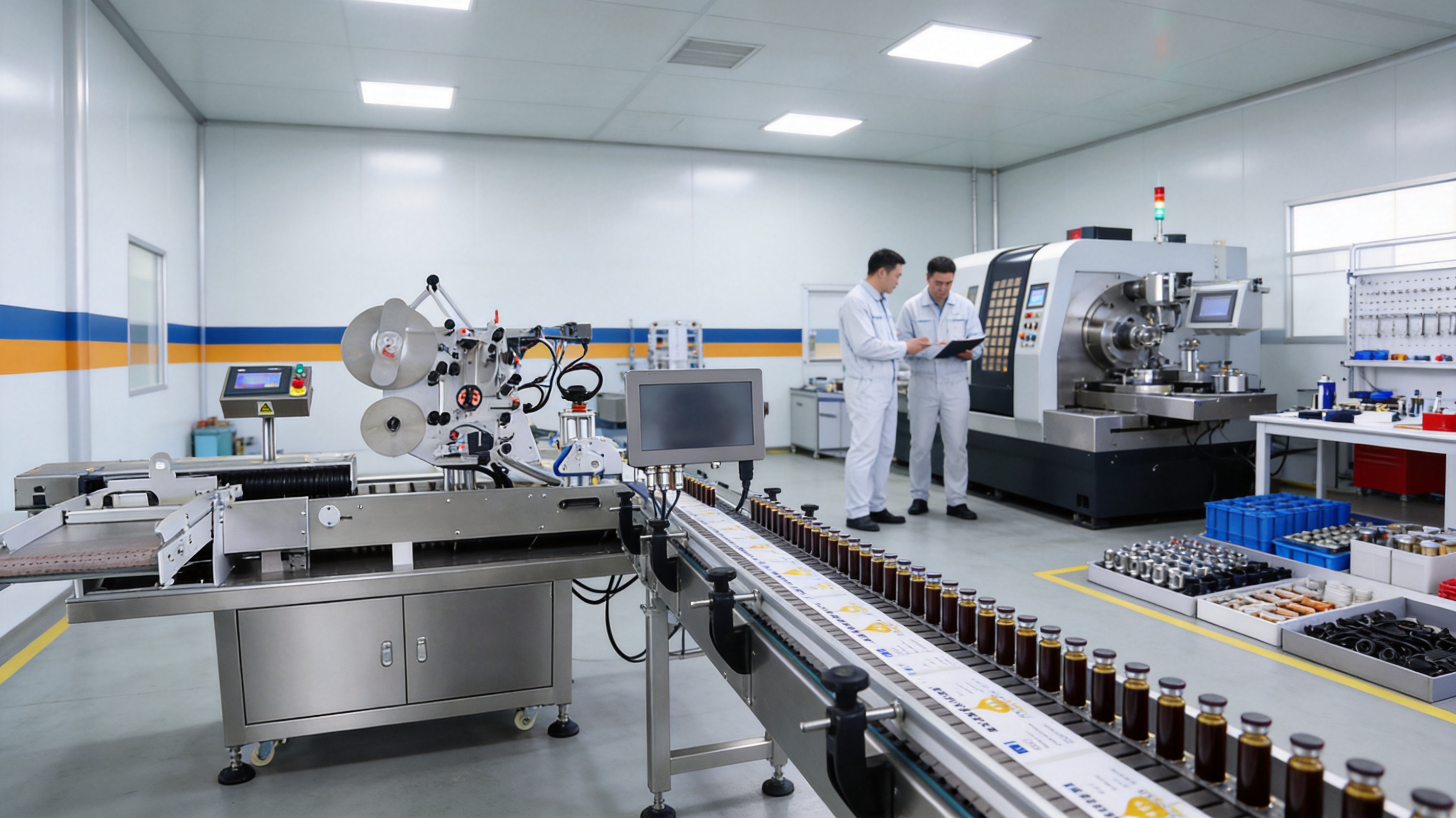
Modern packaging operations require labeling equipment that can combine speed, precision, flexibility, and dependable long-term performance. These requirements become particularly demanding when the products are small, lightweight, narrow, or unstable in an upright position. Conventional vertical labeling systems may struggle to control such products, resulting in product movement, label misalignment, wrinkles, air bubbles, missed applications, or repeated label dispensing. A horizontal automatic tube labeling machine provides a practical solution by transporting and labeling products in a stable horizontal orientation.
The RXL-BH high-speed horizontal automatic tube labeling machine is designed for the automatic application of self-adhesive labels to small cylindrical products. It is suitable for pharmaceutical packaging, food and beverage applications, cosmetics, daily chemical products, laboratory supplies, and light industrial components. Its horizontal conveying structure supports products that cannot stand steadily, while its controlled dispensing and rolling application systems help maintain consistent label positioning at production speed.
With a rated capacity of up to 400 bottles per minute, adjustable operating speed, labeling accuracy of approximately ±0.5 mm, and compatibility with multiple label formats, the machine is intended for manufacturers seeking to improve packaging automation without sacrificing product appearance or process control.
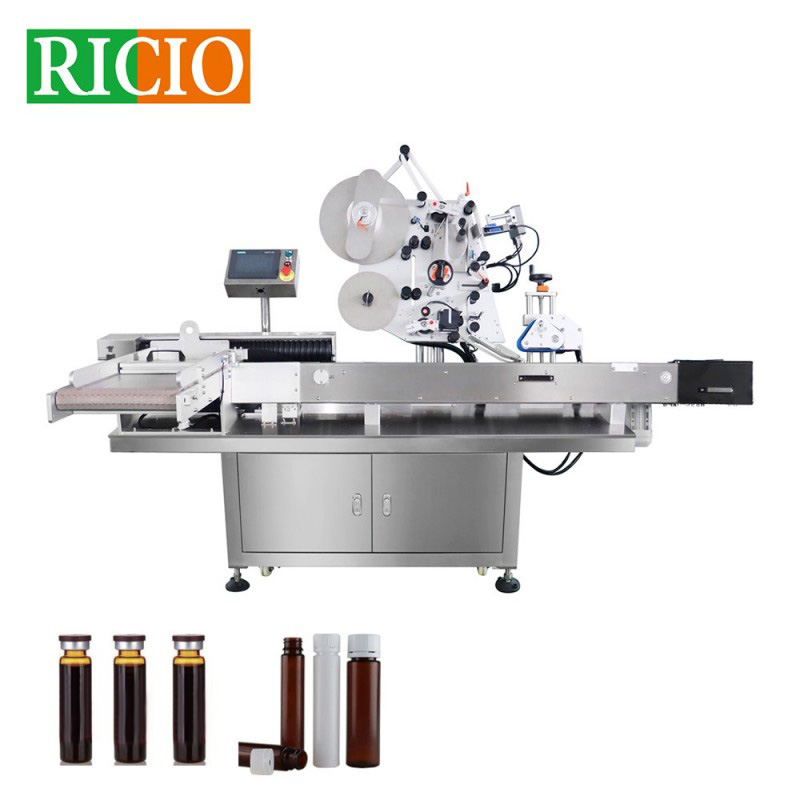
Horizontal Automatic Tube Labeling Machine
Why Horizontal Labeling Is Important for Small Cylindrical Products
Many small cylindrical products are difficult to handle with a conventional upright labeling process. Slim bottles, tubes, vials, ampoules, oral liquid containers, sample tubes, pen-shaped products, and similar items may have a small contact area with the conveyor. When they are placed vertically, they can lean, tip over, rotate unpredictably, or become incorrectly spaced before reaching the labeling station.
Product instability creates several problems. First, the position of the product may change between detection and label application. Even a small movement can cause the label to shift from its intended location. Second, an unstable product may interrupt the production line if it falls or becomes trapped between conveying components. Third, products with flexible or lightweight bodies can deform under excessive pressure from guides or positioning mechanisms.
A horizontal machine addresses these issues by placing the product in a controlled lateral position. The product is guided through the feeding and labeling areas while supported along its length or circumference. This arrangement reduces the influence of gravity and limits uncontrolled movement. It also provides a more predictable contact path between the container and the label application roller.
Horizontal labeling is especially useful when the container has a small diameter but a relatively long body, or when the product shape prevents reliable upright positioning. In these cases, a machine that has been designed specifically for horizontal transportation can provide better stability than a vertical machine adapted for an unsuitable product.
Product Overview
The RXL-BH is a high-speed horizontal automatic tube labeling machine developed for round products with an outer diameter of approximately 10 to 22 mm and a height or product length of approximately 20 to 120 mm. The machine is configured for automatic product feeding, product detection, label dispensing, label application, and continuous discharge.
Its primary function is to apply a self-adhesive label to the outside surface of a cylindrical product. Depending on the label design and production requirements, the machine can support full-wrap labeling or partial-wrap labeling. The label may contain product information, regulatory information, branding, barcodes, QR codes, traceability data, or other packaging content.
The labeling process can be combined with optional ribbon coding or inkjet printing. These systems may be used to print production dates, batch numbers, expiry dates, lot codes, or other variable information during the same packaging operation. Integrating printing and labeling helps reduce the need for a separate coding stage and can improve overall line efficiency.
Core operating principle
Products are introduced into the machine in a horizontal orientation. A conveying and positioning system guides them toward the labeling station, where a sensor detects the presence and position of each product. The control system then coordinates product movement with label dispensing.
As the product passes through the labeling area, the label is released from the backing paper at a controlled point. A rolling application mechanism presses the label onto the cylindrical surface and supports smooth contact around the product. The product continues through the machine after application, allowing the next product to enter the labeling cycle.
The synchronization of detection, product movement, label release, and rolling application is central to labeling accuracy. When these functions are correctly adjusted to match product diameter, label length, and line speed, the system can reduce label deviation and prevent common application defects.
Key Advantages of the Horizontal Automatic Tube Labeling Machine
Stable handling of difficult products
The most important advantage is the machine’s ability to handle products that are difficult to label vertically. A horizontal conveying structure prevents narrow or lightweight products from needing to stand upright. This improves product stability before, during, and after label application.
Stable handling is particularly valuable for small pharmaceutical containers, laboratory tubes, narrow cosmetic packages, and pen-shaped products. Instead of relying on a small bottom surface to maintain balance, the product is supported in a controlled horizontal path. This can reduce line interruptions and make the labeling process more repeatable.
High-speed production capability
The machine can achieve a labeling speed of up to 400 bottles per minute under suitable product and label conditions. Actual speed depends on the outer diameter of the product, label length, feeding arrangement, label material, and operating configuration. The adjustable speed allows manufacturers to balance productivity with application quality.
High-speed operation is beneficial for companies that need to process large volumes of small containers. Faster labeling can reduce labor requirements, increase output from existing production space, and support more consistent packaging schedules. Because the machine is designed around continuous automatic handling, it can also reduce the stop-and-start operation associated with manual or semi-automatic labeling.
Accurate label positioning
The stated labeling accuracy is approximately ±0.5 mm. This level of accuracy supports professional packaging appearance and helps maintain the consistent placement of product information. Accurate positioning is particularly important for barcode and QR code labels, where excessive deviation can affect scanning reliability or visual alignment.
Accuracy depends on correct machine adjustment, product consistency, label quality, sensor settings, and environmental conditions. The machine provides the mechanical and control foundation for precise application, while production personnel must ensure that containers and labels remain within the specified operating range.
Support for full-wrap and partial-wrap applications
The machine can be configured for different cylindrical labeling requirements. Full-wrap labels extend around most or all of the product circumference, while partial-wrap labels cover only a selected section. This flexibility allows one machine platform to serve multiple packaging designs.
Full-wrap labeling is often used when a large amount of product information must be displayed or when a continuous decorative label is required. Partial-wrap labeling may be preferred for transparent containers, premium packaging, barcode placement, or designs that intentionally leave part of the container visible.
Compatibility with various label types
The machine is designed to work with self-adhesive labels, adhesive films, transparent labels, barcode labels, QR code labels, and product traceability labels. This range supports many product and compliance requirements.
Transparent labels require careful control because the label edge may be less visible during application. Barcode and QR code labels require consistent positioning and smooth contact with the product surface. Traceability labels may also need to be paired with printing or verification equipment. A flexible labeling platform gives manufacturers more freedom when changing label materials or updating package designs.
Reduced risk of wrinkles, bubbles, and missed labels
Labeling defects often result from poor product stability, inconsistent dispensing, incorrect roller pressure, or an unsuitable application path. The horizontal arrangement, coordinated label detection, and rolling application mechanism work together to create a smoother labeling process.
When the product remains stable and the label is released at the correct point, the application roller can press the label evenly onto the cylindrical surface. This helps reduce wrinkles and air bubbles. Product detection and label control also help prevent missed applications or repeated label output.
Although no labeling machine can eliminate every defect under all conditions, the structure of this machine is intended to reduce the common causes of poor application quality. Correct setup remains essential, especially when switching between products with different diameters or label dimensions.
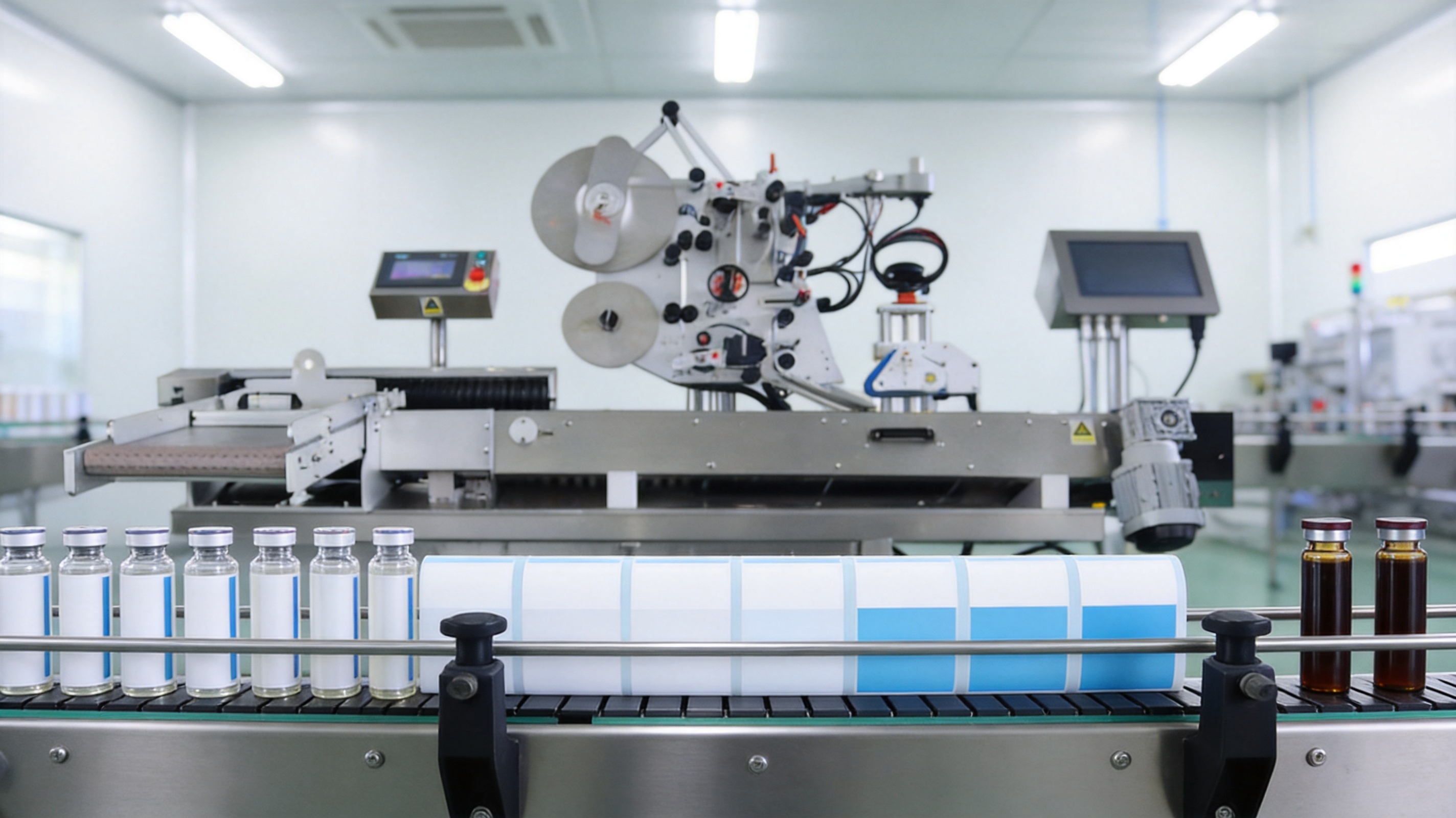
Comparison with Conventional Vertical Labeling Methods
Vertical round-bottle labelers are widely used and can be highly effective for containers that stand securely on a conveyor. However, they are not always the best choice for small, narrow, flexible, or unstable products. A machine should be selected according to the physical properties of the product rather than by relying only on a general round-bottle classification.
Evaluation factor |
Horizontal automatic tube labeling machine |
Conventional vertical labeling approach |
Product orientation |
Horizontal |
Upright or vertical |
Suitable products |
Small tubes, vials, ampoules, slim bottles, sample tubes, and unstable cylindrical products |
Containers with a stable bottom and reliable upright balance |
Handling stability |
Supported during horizontal transport |
Depends on the container base and guide system |
Typical labeling speed |
Up to 400 bottles per minute, depending on configuration |
Varies according to machine type and product characteristics |
Label formats |
Full-wrap, partial-wrap, transparent, barcode, QR code, and traceability labels |
Depends on the specific vertical machine configuration |
Product changeover |
Adjusted according to product diameter, length, label size, and speed |
May require upright conveying and guide changes |
Common application advantage |
Stable labeling of products that cannot stand firmly |
Efficient labeling of stable bottles and containers |
The comparison does not mean that horizontal equipment replaces all vertical labeling machines. Rather, it demonstrates that horizontal labeling offers a more suitable process for a specific group of products. Selecting the correct orientation can be more important than selecting a machine with a higher nominal speed that is poorly matched to the product.
Technical Specifications
Specification |
Value |
Model |
RXL-BH |
Machine type |
High-speed horizontal automatic tube labeling machine |
Power supply |
220 V, 50/60 Hz, single-phase, according to user requirements |
Power consumption |
2.5 kW |
Labeling speed |
Up to 400 bottles per minute; adjustable according to product and label conditions |
Labeling accuracy |
Approximately ±0.5 mm |
Air pressure supply |
5 kg |
Printing machine air supply |
5 kg/cm² |
Container range |
Outer diameter: 10–22 mm; height or length: 20–120 mm |
Label height |
10–90 mm |
Label length |
10–80 mm |
Paper roll inner diameter |
76 mm |
Maximum paper roll outer diameter |
350 mm |
Label gap |
3 mm |
Label roll direction |
Clockwise |
Net weight |
Approximately 350 kg |
Gross weight |
Approximately 450 kg |
Overall dimensions |
Approximately 2500 × 1650 × 1300 mm |
Warranty |
One year; selected vulnerable spare parts may be provided according to service terms |
These specifications provide a general reference for machine selection and production planning. Final performance should be confirmed through product testing because container material, surface finish, label construction, adhesive type, label gap, and feeding conditions can influence results.
Application Process in Detail
Product feeding
Products enter the machine through a horizontal feeding system. The feeding arrangement may be adapted to the product shape and production line layout. The goal is to provide a continuous and orderly stream of products with enough spacing for accurate detection and label application.
Stable feeding is important because a labeling system cannot compensate for products that enter randomly, overlap, or arrive at inconsistent intervals. The machine’s feeding components and guides should be adjusted so that the product remains aligned while avoiding excessive pressure or surface damage.
Product detection
A detection system identifies the arrival of each product and sends a signal to the control system. This signal coordinates the timing of label dispensing with the product position. Reliable detection helps prevent labels from being released without a product present and supports consistent placement from one item to the next.
Sensor settings may need to be adjusted for transparent, reflective, dark-colored, or unusually shaped products. Proper sensor selection and calibration are especially important when the machine is used for transparent tubes or containers with limited visual contrast.
Label dispensing
The label roll is mounted on the machine and unwound in the specified clockwise direction. The label web passes through the dispensing path, where the backing material separates from the front label at the application point. The machine then advances the next label according to the configured product and label parameters.
The standard paper roll inner diameter is 76 mm, and the maximum roll outer diameter is approximately 350 mm. These dimensions allow the machine to accommodate a practical quantity of labels while maintaining a manageable roll size for replacement and handling.
Rolling application
After the label is dispensed, the product passes through the rolling application mechanism. The roller presses the label onto the product surface and helps it conform to the cylindrical shape. This is important for achieving smooth adhesion, especially when the label extends around a significant portion of the circumference.
Application pressure must be appropriate for the container and label. Excessive pressure may deform a soft tube or damage a delicate container, while insufficient pressure may result in incomplete bonding or edge lifting. Adjustment procedures should therefore be based on practical testing rather than speed alone.
Discharge and downstream integration
After labeling, the product exits the machine and may continue to inspection, cartoning, case packing, counting, or other packaging stages. The machine can operate as a stand-alone unit or be connected with upstream and downstream equipment to form an automated packaging line.
Line integration can improve labor efficiency and reduce manual transfer between processes. It also helps create a more consistent flow of products, which is beneficial for traceability and quality control.
Optional Coding and Printing Functions
Many industries require more than a fixed product label. Pharmaceutical and healthcare products may need batch numbers, expiry dates, manufacturing dates, or traceability codes. Food, cosmetics, and daily chemical products may also require variable information that changes from one production batch to another.
Optional ribbon coding or inkjet printing systems can be added to the horizontal labeling process. These systems allow variable information to be printed during labeling, reducing the need for an independent coding operation. Combining the two functions can save floor space and simplify production scheduling.
Printing equipment should be selected according to the product surface, required print resolution, ink or ribbon type, production speed, and regulatory requirements. The machine’s stated printing air supply is approximately 5 kg/cm² when a compatible printing system is installed. Final integration should be evaluated according to the selected printer and the customer’s production environment.
Industries and Products Served
Pharmaceutical and healthcare packaging
Pharmaceutical applications include oral liquid bottles, ampoules, small medicine bottles, vials, and other narrow containers. These products often require accurate label placement because labels may contain dosage information, warnings, product identification, batch information, and expiry details.
Horizontal handling is useful for small containers that are unstable when standing upright. It can also support a more controlled process when the product has a small diameter, smooth surface, or limited base area.
Laboratory and diagnostic products
Sample tubes, reagent tubes, test containers, and other laboratory products frequently require barcode or QR code labels. Reliable label positioning is important for automated scanning and sample identification. The machine’s compatibility with barcode, QR code, and traceability labels makes it suitable for this type of packaging environment.
Cosmetics and daily chemical products
Small cosmetic packages, fragrance containers, tubes, and personal care products often place strong emphasis on appearance. Wrinkles, skewed labels, and bubbles can reduce the perceived quality of the package. A controlled rolling application process helps support a clean and consistent finish.
Food and beverage products
Small food containers and liquid products may require date codes, batch information, or promotional labels. When the container is narrow or difficult to keep upright, horizontal handling can make the packaging process more stable.
Industrial and hardware components
The machine can also be used for cylindrical hardware parts and other small round products that require identification or traceability labels. These applications may include components that are too small, too light, or too irregularly balanced for reliable vertical labeling.
Manufacturing Strengths of the Supplier
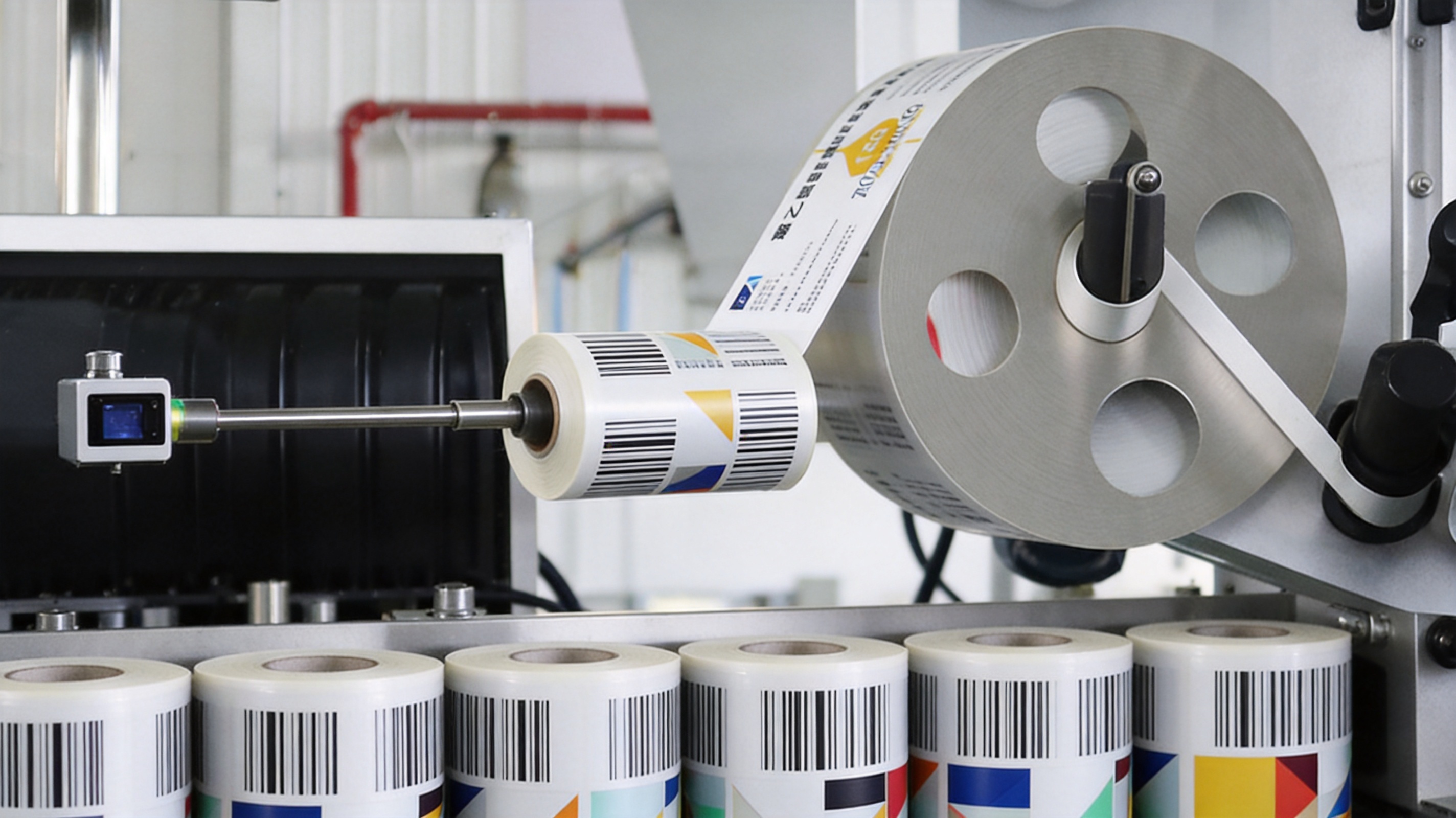
The performance of an industrial labeling machine depends not only on its design but also on the manufacturer’s ability to produce, assemble, test, and support the equipment consistently. Shanghai Ruixiao Packaging Technology Co., Ltd., operating under the RICIO brand, specializes in the research, development, and manufacture of labeling machinery.
In-house precision machining capability
The company has developed from an equipment assembler into a source manufacturer with in-house precision machining capabilities. Its manufacturing resources include multiple CNC machining centers and an experienced technical team. This allows important mechanical components to be produced and controlled within the company’s manufacturing system rather than relying entirely on external assembly.
In-house machining can provide several advantages. It gives engineers greater control over component dimensions, surface quality, and repeatability. It can also make it easier to modify machine structures when a customer requires a specific product range, label size, conveying arrangement, or line connection.
For labeling equipment, precision is important in many areas, including roller alignment, guide positioning, sensor mounting, label web movement, and the relationship between the dispensing mechanism and product path. Accurate components help support stable operation and reduce the effect of mechanical variation on labeling quality.
Integrated manufacturing and commissioning
The company manages the process from core component machining through complete machine assembly and commissioning. This integrated approach allows the manufacturing team to evaluate the complete machine rather than viewing individual components in isolation.
Assembly and commissioning are particularly important for automatic labeling equipment because multiple systems must operate together. Mechanical movement, sensors, controls, label dispensing, product feeding, and optional printing must be synchronized. A machine may contain high-quality parts but still produce poor results if the complete system is not correctly aligned and tested.
ISO 9001 quality system
Manufacturing and assembly are conducted in accordance with the ISO 9001 international quality system. A quality management system provides a structured approach to production control, process documentation, inspection, corrective action, and continuous improvement.
For industrial customers, quality-system management can improve confidence in production consistency. It also supports clearer communication between engineering, manufacturing, commissioning, service, and customer support teams. This is valuable when machines are exported and installed in different countries with different production environments.
Research and development focus
The supplier focuses on labeling machinery for several application categories, including syringe labeling, round and square bottle labeling, double-sided labeling, high-speed labeling, and real-time print-and-apply systems. This product experience supports a broader understanding of label handling, product conveying, sensor control, and packaging-line integration.
Experience across multiple machine types can also help engineers identify the best labeling principle for a particular product. A company that designs both horizontal and vertical systems is better positioned to recommend an appropriate configuration rather than forcing every product into one standard machine format.
International project experience
The company exports equipment to more than 40 countries and regions. International experience requires attention to electrical standards, documentation, packaging, installation, remote technical support, operator training, and spare-parts availability.
Export capability is also an indication that the supplier is accustomed to working with different customer expectations and production conditions. For buyers considering a labeling machine for an overseas facility, this experience can simplify project communication and support the transition from equipment purchase to stable operation.
Customization and Production Flexibility
Packaging products are rarely identical from one manufacturer to another. Even when two products share a similar diameter, their lengths, surface materials, label constructions, adhesive properties, and production speeds may differ. For this reason, customization and adjustment capability are important when choosing an automatic labeler.
The RXL-BH can be adjusted or customized according to bottle diameter, label size, product length, and production requirements. Adjustments may include product guides, conveying components, sensor positions, label dispensing settings, rolling application pressure, and speed parameters.
Customization may also be considered when the machine must connect with an existing production line. The customer may need a particular infeed height, discharge height, control interface, printer position, inspection device, or packaging-line direction. These requirements should be discussed during the technical evaluation stage.
Before final production, customers should provide representative products and labels for testing whenever possible. Testing can confirm whether the specified container range and label dimensions are suitable for the intended application. It also allows the supplier to recommend the correct feeding method, sensor type, roller arrangement, and operating speed.
Operational Benefits for Manufacturers
Lower dependence on manual labeling
Manual labeling is slow and can produce inconsistent placement, especially when workers must process thousands of small products. Automatic horizontal labeling reduces repetitive manual work and allows operators to focus on material replenishment, quality checks, and line supervision.
Improved packaging consistency
Consistent label placement supports a more professional appearance and helps maintain uniformity across production batches. This is important for consumer products, healthcare packaging, and products sold through regulated distribution channels.
Better use of production space
A stand-alone automatic labeler can be installed as part of a compact packaging station. When integrated with other equipment, it can reduce manual transfer and help organize the overall production flow. The machine’s dimensions should be considered during factory planning, particularly because the listed overall size is approximately 2500 × 1650 × 1300 mm.
Flexible production planning
Adjustable speed and compatibility with multiple label types allow the machine to serve different products and production orders. This flexibility is useful for manufacturers that produce several sizes or packaging formats rather than a single high-volume product.
Support for traceability
Barcode, QR code, and traceability labels can help manufacturers manage inventory, production records, product authentication, and supply-chain information. When combined with optional printing, the labeling station can become an important part of a broader digital production and traceability system.
Installation, Setup, and Changeover Considerations
Correct installation is essential for safe and reliable operation. The machine should be placed on a stable, level foundation with sufficient clearance for label-roll replacement, cleaning, inspection, maintenance, and operator access. Electrical power and compressed air should meet the specified requirements.
During initial setup, operators should verify the product path, label roll direction, label gap, sensor position, and application pressure. The product should move smoothly without excessive friction, jamming, or uncontrolled rotation. The label web should remain aligned as it passes through the dispensing mechanism.
Changeover procedures depend on the difference between the previous and new product. A change from one product diameter to another may require guide adjustments and a new sensor position. A change in label length may require updated dispensing parameters. Different surface materials may require adjustments to roller pressure or application speed.
It is good practice to begin a new production order at a moderate speed and inspect the first labeled products carefully. Once label position and application quality are confirmed, the speed can be increased gradually. This approach reduces waste and helps operators identify adjustment problems before full-speed production begins.
Maintenance and Service Recommendations
Routine maintenance helps preserve labeling accuracy and machine availability. Operators should keep the label path, rollers, sensors, guides, and product-contact surfaces clean. Adhesive residue can affect label movement and application quality, while dust or product debris can interfere with sensor detection.
Mechanical components should be inspected for looseness, unusual wear, or abnormal noise. The label roll holder and web path should remain properly aligned. Pneumatic components, when used, should receive clean and adequately regulated air. Electrical cabinets and control components should be maintained according to applicable safety procedures.
Preventive maintenance is preferable to waiting for a production failure. A maintenance schedule can include daily cleaning, weekly inspection, periodic fastener checks, sensor verification, and replacement of wear parts according to operating hours and manufacturer recommendations.
The stated warranty period is one year. Certain vulnerable spare parts may be supplied free of charge according to the supplier’s service terms. Buyers should clarify the warranty scope, installation support, operator training, spare-parts list, response procedures, and recommended maintenance intervals before commissioning the machine.
How to Select the Correct Configuration
Manufacturers should provide detailed product and label information before purchasing a horizontal tube labeler. Important data includes product diameter, length, weight, material, surface finish, rigidity, and acceptable orientation. Label information should include width, length, material, adhesive type, backing thickness, gap, roll direction, and roll dimensions.
Production information is also necessary. The supplier should know the target output, expected operating hours, required labeling accuracy, available floor space, electrical standard, compressed-air capacity, upstream equipment, downstream equipment, and printing or inspection requirements.
Buyers should distinguish between maximum machine speed and sustainable production speed. Maximum speed may be achievable under ideal conditions, while practical speed depends on product stability, label length, operator skill, material quality, and the required level of inspection. A production test provides a more reliable basis for choosing the final configuration.
Quality Control During Labeling
Quality control should be built into the labeling process. Operators can inspect label position, wrap consistency, edge adhesion, print clarity, barcode readability, and product spacing. For high-value or regulated products, additional vision inspection or code verification equipment may be integrated into the line.
Common defects include labels applied too high or too low, skewed labels, wrinkles, bubbles, incomplete adhesion, missing labels, double labels, and incorrect printed information. Each defect may have a different cause. For example, a skewed label may result from product rotation or web misalignment, while bubbles may result from unsuitable application pressure or a contaminated product surface.
Maintaining consistent product dimensions and label quality is as important as maintaining the machine itself. Variation in container diameter, surface finish, or label die-cutting can affect the result even when the machine settings remain unchanged.
Economic and Strategic Value
Investment in a horizontal automatic labeling machine should be evaluated beyond the purchase price. The total value includes labor reduction, improved throughput, lower product waste, more consistent presentation, easier traceability, and the ability to connect with a wider automated packaging system.
For manufacturers with growing demand, automation can increase output without requiring a proportional increase in staffing. It can also make production less dependent on manual availability. Consistent machine-based application may reduce rework and improve the predictability of packaging schedules.
The flexibility to process several types of small cylindrical products can extend the useful value of the machine. Instead of purchasing a separate unit for every product, a manufacturer may be able to use one adjustable platform for several compatible formats, provided that all products remain within the machine’s technical range.
Frequently Asked Questions
What products are suitable for this machine?
The machine is suitable for small cylindrical products such as oral liquid bottles, ampoules, vials, reagent bottles, sample tubes, pen-shaped products, small plastic tubes, and cylindrical hardware parts. It is especially appropriate for products that are difficult to keep upright during labeling.
What is the maximum labeling speed?
The stated maximum speed is up to 400 bottles per minute. Actual speed depends on product diameter, product length, label length, label material, feeding conditions, and the required application quality.
What container dimensions can it handle?
The listed container range is an outer diameter of approximately 10–22 mm and a height or length of approximately 20–120 mm. Product testing should be completed to confirm suitability for a specific container.
Can it apply full-wrap labels?
Yes. The machine supports full-wrap and partial-wrap labeling for cylindrical products, subject to the label size, product dimensions, adhesive properties, and machine configuration.
Can transparent labels be used?
Transparent labels are among the supported label types. However, transparent materials may require careful sensor adjustment, accurate label-web control, and testing to confirm reliable detection and application.
Can barcodes and QR codes be applied?
Yes. The machine can apply barcode, QR code, and traceability labels. For regulated or high-speed applications, code verification equipment may be added to confirm readability after labeling.
Can printing be performed during labeling?
Optional ribbon coding or inkjet printing systems can be integrated to print production dates, batch numbers, expiry dates, and other variable information during the labeling process.
Can the machine be connected to a complete packaging line?
Yes. It can operate as a stand-alone machine or connect with upstream and downstream equipment. The line interface, conveyor height, product transfer method, and control communication should be confirmed during project planning.
What power supply does the machine require?
The listed power supply is 220 V, 50/60 Hz, single-phase, according to user requirements. Electrical specifications should be confirmed before shipment and installation.
What compressed-air supply is required?
The listed air pressure supply is 5 kg. When a printing machine is installed, the stated printing machine air supply is 5 kg/cm². Final air requirements should be confirmed according to the selected pneumatic and printing components.
How accurate is the labeling?
The listed labeling accuracy is approximately ±0.5 mm. Actual accuracy depends on product consistency, label quality, machine adjustment, sensor performance, operating speed, and environmental conditions.
How should a customer confirm compatibility before ordering?
The customer should provide representative products and labels for testing. The supplier can then evaluate product feeding, label application, speed, label position, and the need for customized guides or printing equipment.
What support is included after purchase?
Support should be confirmed in the commercial and technical agreement. The supplier provides a one-year warranty according to the stated terms, and selected vulnerable spare parts may be offered free of charge. Installation, training, remote support, and spare-parts arrangements should be discussed before commissioning.
Conclusion
The high-speed horizontal automatic tube labeling machine is a specialized solution for small cylindrical products that are unstable, lightweight, narrow, or difficult to label in an upright position. Its horizontal conveying structure provides controlled product handling, while the detection system, label dispensing mechanism, and rolling application system support accurate and consistent labeling.
With a capacity of up to 400 bottles per minute, approximate labeling accuracy of ±0.5 mm, support for full-wrap and partial-wrap labels, compatibility with transparent and traceability labels, and optional coding or inkjet printing, the RXL-BH offers a flexible platform for modern packaging operations.
Its value is further supported by the manufacturer’s in-house CNC machining capabilities, integrated assembly and commissioning process, ISO 9001 quality-system approach, application-specific research and development, and experience exporting labeling equipment to more than 40 countries and regions. These manufacturing strengths help provide a foundation for mechanical precision, customization, production consistency, and long-term technical support.
For manufacturers evaluating labeling equipment, the most important question is not simply how fast a machine can run. The key question is whether its product-handling structure matches the physical behavior of the product. For small cylindrical products that cannot stand reliably, a high-speed horizontal automatic tube labeling machine can improve stability, appearance, throughput, and the overall level of packaging automation.
References
1. Product technical specifications for the RXL-BH horizontal automatic tube labeling machine.
2. Manufacturer-provided information on horizontal product conveying, cylindrical label application, and optional coding systems.
3. Manufacturer profile and company information concerning research and development, CNC machining, assembly, commissioning, and international supply.
4. ISO 9001 quality management principles for manufacturing and process control.
5. General packaging engineering practices for self-adhesive label dispensing, sensor detection, rolling application, and production-line integration.
6. General industrial guidance concerning barcode labeling, QR code application, product traceability, preventive maintenance, and packaging quality inspection.
Product: Horizontal Automatic Tube Labeling Machine

related products
-
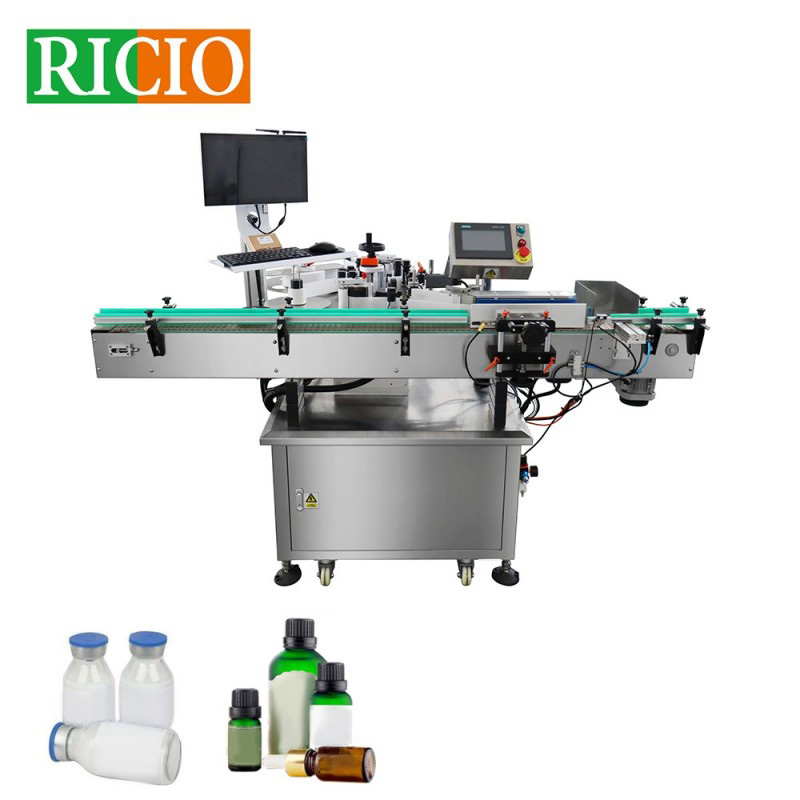
Automatic High Speed Vertical Round Bottle Labeling Machine
-
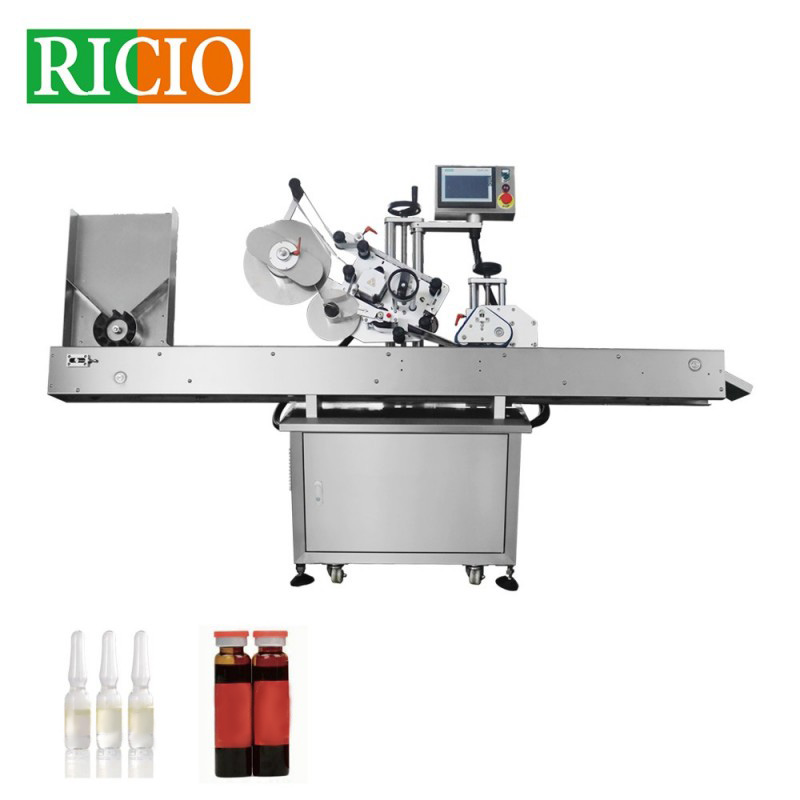
Horizontal Automatic Small Bottle Labeling Machine
-
Horizontal Automatic Tube Labeling Machine
-
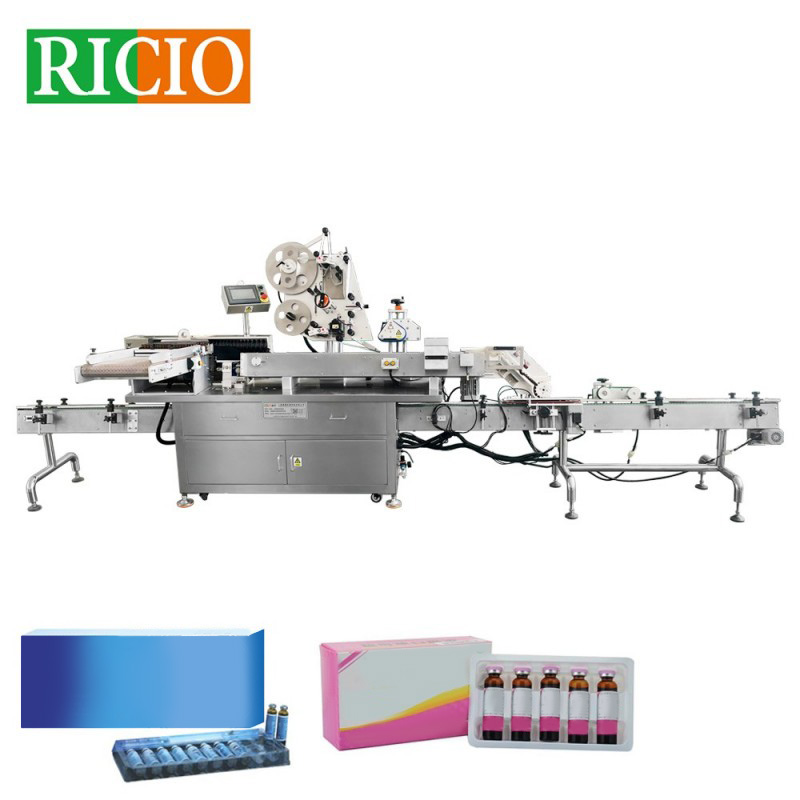
Horizontal Automatic Vial Labeling Machine for Tray
-
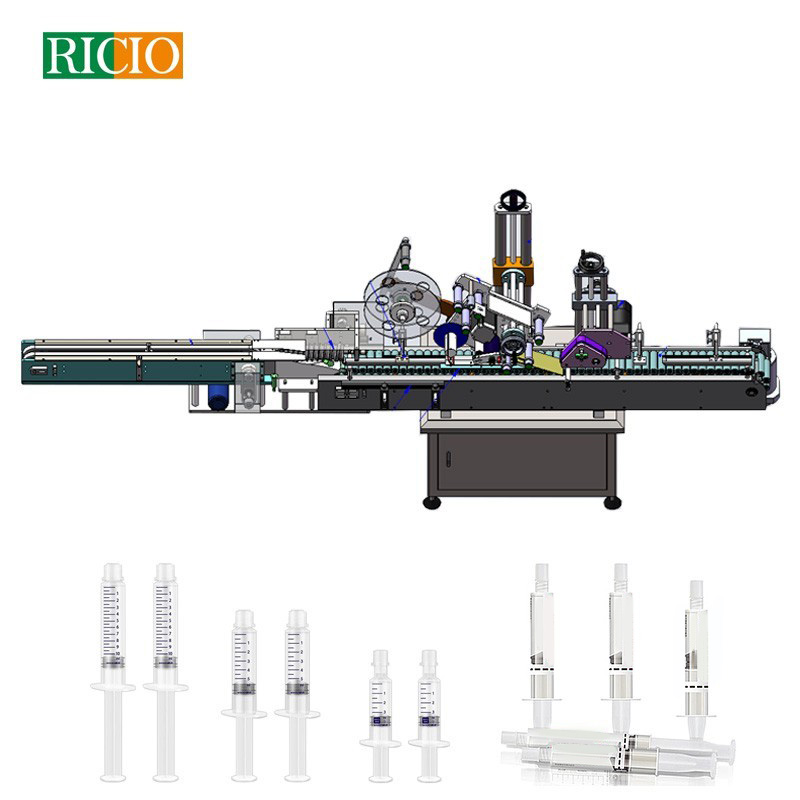
Automatic Horizontal Syringe Labeling Machine
-
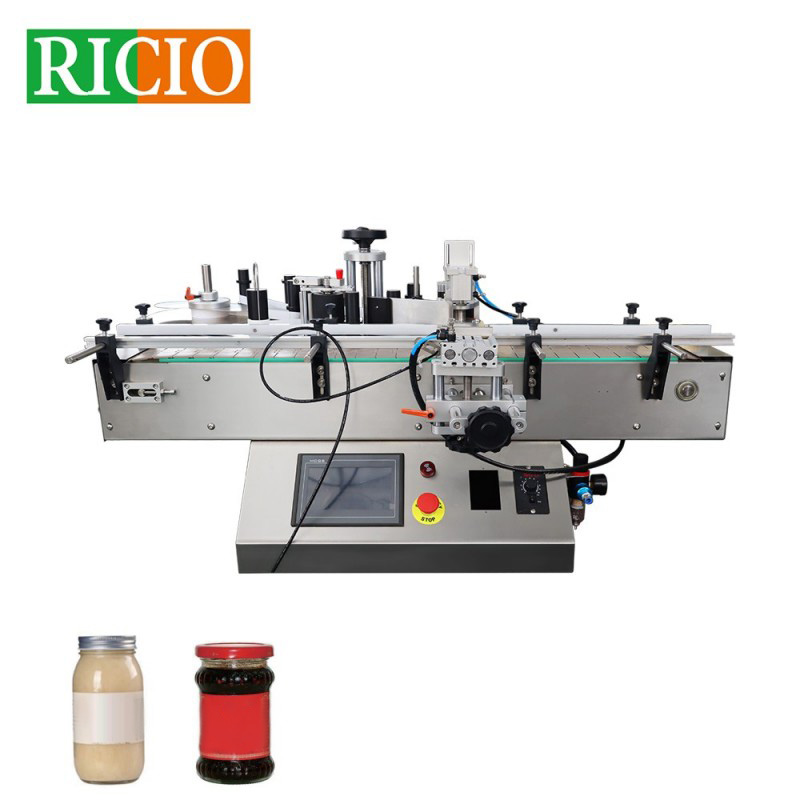
Automatic Round Bottle Positioning Tabletop Labeling Machine
related News
 +86 13681850339
 sales@raxpack.com
 Building 6, No. 477 Tiefeng Road, Baoshan District, Shanghai, China
- Tabletop Labeling Machine
- Round Bottle Labeling Machine
- Automatic Tube Labeling Machine
- Pouch Labeling Machine
- Rotary Labeling Machine
- Syringe Labeling Machine
- Top Labeling Machine
- Single Side Sticker Labeling Machine
- Double Side Labeling Machine
- Bucket Labeling Machine
- Bottom Labeling Machine
- Corner Label Applicator
- Waist Sealing Labeling Machine
- Square Bottle Labeling Machine
