 English
 русский
 Español
 عربى



Automatic Round Bottle Positioning Tabletop Labeling Machine: Precision, Flexibility, and Efficient Packaging Automation
2026-11-01
Content
- 1 What Is an Automatic Round Bottle Positioning Tabletop Labeling Machine?
- 2 Core Operating Process
- 3 Product Advantages Over Manual and Conventional Labeling Methods
- 4 Technical Specifications
- 5 Intuitive Control and Quick Changeover
- 6 Optional Coding and Printing Integration
- 7 Applications Across Multiple Industries
- 8 Why Positioning Technology Matters for Round Containers
- 9 Manufacturing Strengths and Engineering Capability
- 10 Advantages Compared With Competing Equipment Categories
- 11 Integration Into a Complete Packaging Line
- 12 Label and Product Considerations
- 13 Installation, Operation, and Maintenance
- 14 How to Evaluate the Machine Before Purchase
- 15 Frequently Asked Questions
- 15.1 What products can this tabletop labeling machine handle?
- 15.2 Can it apply labels to both the front and back of a bottle?
- 15.3 What labeling speed can be expected?
- 15.4 How accurate is the label placement?
- 15.5 Can the machine label bottles with different diameters?
- 15.6 Can the machine be used for short production runs?
- 15.7 Can a printer or coder be installed with the labeler?
- 15.8 Does the machine require an automatic bottle unscrambler?
- 15.9 What power supply is required?
- 15.10 How much floor space does the machine require?
- 15.11 Can the machine be customized?
- 15.12 What should be tested before shipment?
- 16 Conclusion
- 17 References
- 18 Product: Automatic Round Bottle Positioning Tabletop Labeling Machine
Modern packaging operations increasingly depend on reliable automation to maintain product quality, control labor costs, and meet demanding production schedules. For manufacturers working with cylindrical containers, the automatic round bottle positioning tabletop labeling machine provides a compact and adaptable solution for applying labels accurately to bottles, jars, cans, and other round packages. Designed for small and medium-sized production environments, this machine combines automatic conveying, product separation, bottle positioning, label detection, and label application in one integrated system.
The equipment is particularly suitable for companies that need professional labeling performance without investing in a large industrial line. Its tabletop configuration reduces the required floor space while retaining many of the control, adjustment, and automation functions normally associated with larger labeling systems. It can be used as a standalone machine or integrated into a more comprehensive packaging line that includes filling, capping, coding, case packing, and palletizing equipment.
With a practical operating range of approximately 30 to 100 bottles per minute, depending on the product, label, and feeding conditions, the machine supports a broad range of production requirements. Its labeling accuracy can reach approximately ±1 mm when suitable products and labels are used. The system also accommodates product diameter ranges from 25 to 120 mm and bottle heights from 40 to 150 mm, with customization available for applications outside the standard range.
Unlike manual labeling, which can produce inconsistent placement, wrinkles, skewed labels, and variable spacing, automatic positioning technology creates a more uniform finished package. This consistency is valuable in industries where appearance, traceability, and brand presentation directly affect customer confidence.
What Is an Automatic Round Bottle Positioning Tabletop Labeling Machine?
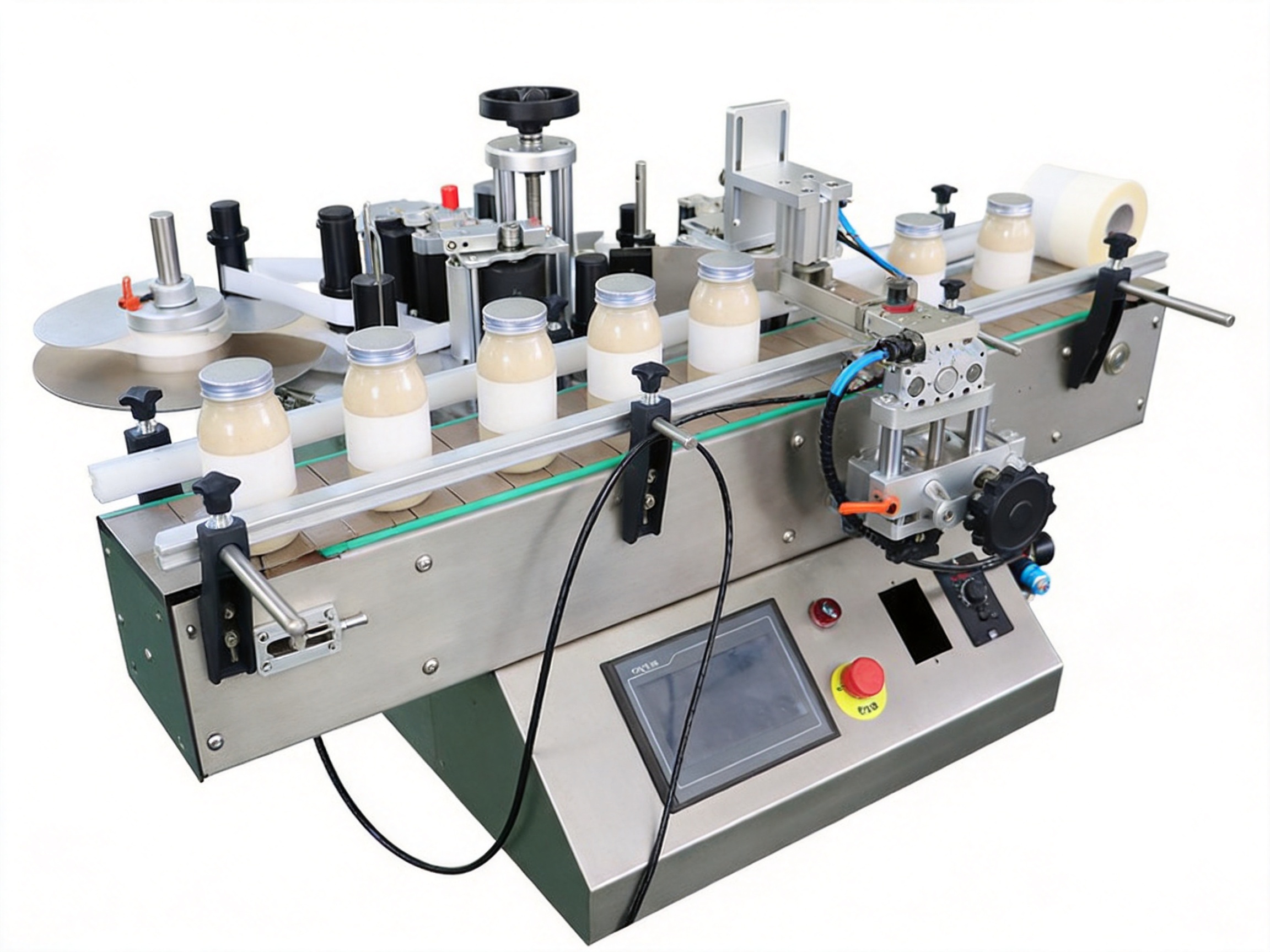
An automatic round bottle positioning tabletop labeling machine is a specialized labeling system designed to apply self-adhesive labels to cylindrical containers. The machine uses a conveyor, product separation mechanism, positioning components, sensors, and a labeling head to coordinate the movement of each bottle and place the label at a predetermined position.
The word “positioning” is central to the machine’s function. Round containers may include a specific front panel, seam, handle, cap feature, printed mark, or other visual reference that must align with the label. A basic wraparound labeler can apply a label around a bottle, but a positioning machine provides greater control over where the label begins and ends and how the bottle is oriented during application.
The machine can support full-wrap labeling, partial-wrap labeling, and other cylindrical container applications. Depending on the configuration, the product may be rotated during labeling so that the label is applied smoothly around the container. Sensors detect the product and label position, while the control system coordinates conveyor speed, bottle spacing, and label dispensing.
Its tabletop design makes the system appropriate for operations that have limited production space or need a flexible machine that can be moved, installed, or reconfigured more easily than a large floor-standing line. It can be placed beside a filling or capping station, used at the end of a semi-automatic process, or incorporated into a fully automatic packaging system.
Core Operating Process
The labeling cycle begins when bottles are placed on the conveyor. Products can be supplied manually or delivered from an upstream machine such as a bottle unscrambler, filling machine, or capping machine. The conveyor moves each container toward the separation area, where the products are spaced to reduce contact and create a predictable interval between bottles.
After separation, the bottle enters the positioning section. Depending on the product design, positioning may be achieved through side belts, rollers, guides, an indexing mechanism, or other customized components. The objective is to stabilize the bottle and keep its surface aligned with the labeling head.
A product sensor detects the incoming container and sends a signal to the control system. At the same time, a label sensor monitors the label web to identify the leading edge of each label. These signals allow the machine to coordinate the exact moment when the label is dispensed.
The label is peeled from its backing material at the dispensing edge and transferred to the bottle surface. A roller, belt, or application component presses the label against the container. For a full-wrap application, the bottle may rotate while the label is applied. This process helps reduce air pockets, wrinkles, and incomplete adhesion.
Once labeling is complete, the container continues along the conveyor. The labeled product can then move to a coding station, inspection area, packing machine, case packer, or palletizer. If a coding device is installed, production dates, batch numbers, expiration dates, and other information can be printed during or immediately after the labeling process.
Product Advantages Over Manual and Conventional Labeling Methods
Improved Labeling Consistency
One of the most important advantages of automatic labeling is repeatability. Manual operators may place labels at slightly different heights or angles, especially during long shifts or high-volume work. Even a small variation can become visible when products are displayed together on a retail shelf.
The automatic positioning tabletop labeling machine controls product movement and label application through coordinated mechanical and electronic systems. Once the parameters are correctly configured, each bottle receives a label in a similar position. This improves shelf appearance, reduces rework, and supports a more professional packaging standard.
Higher Productivity With Reduced Labor Dependence
Manual labeling requires continuous operator attention and may limit output according to individual working speed. The machine reduces the amount of repetitive labor required for product placement and label application. Depending on bottle dimensions, label size, operator feeding speed, and production conditions, the equipment can process approximately 30 to 100 bottles per minute.
The stated production range is not a fixed guarantee for every product. Soft containers, irregular surfaces, difficult label materials, very small labels, and complex positioning requirements may reduce the achievable speed. Nevertheless, automatic operation can provide a significant productivity improvement compared with hand labeling, particularly when the same product is processed continuously.
Reduced Wrinkles, Skew, and Misalignment
Labels applied by hand can be affected by uneven pressure, incorrect starting points, product movement, or operator fatigue. These problems may lead to wrinkles, bubbles, tilted labels, or incomplete contact with the container surface.
The machine uses controlled dispensing and application pressure to produce a smoother result. Positioning components stabilize the container while the label is transferred, and the conveyor provides a repeatable path through the application zone. This reduces common visual defects and can lower the amount of rejected or reworked product.
Compact Footprint
Large automatic labeling systems can require considerable floor space and may be difficult to install in smaller facilities. The tabletop configuration offers a more compact alternative while preserving automatic product handling and label placement functions.
A compact machine is valuable for contract packers, laboratories, startup manufacturers, specialty food producers, cosmetic companies, and other businesses that may not have room for a complete high-speed packaging line. It also provides a practical option for companies that are transitioning gradually from manual work to automation.
Flexible Product Compatibility
The standard machine is designed for round containers with diameters from approximately 25 to 120 mm and heights from approximately 40 to 150 mm. This range covers many common packaging formats, including medicine bottles, cosmetic containers, sauce bottles, oil containers, food jars, chemical bottles, and daily chemical products.
The conveyor width can be adjusted to match different product sizes. When a project requires dimensions outside the standard range, the machine can be customized. This flexibility is important for manufacturers with multiple product lines or specialized packaging formats.
Support for Full-Wrap and Partial-Wrap Labels
Different products require different labeling styles. A full-wrap label can cover most or all of the circumference of a cylindrical container, while a partial-wrap label may cover only a selected section. The machine can be configured for both types of application, depending on label dimensions, container material, and desired appearance.
Full-wrap labels are often used for jars, cans, and bottles that require extensive product information or a continuous decorative design. Partial-wrap labels may be preferred when the container includes molded features, transparent areas, or a front-and-back presentation. The ability to accommodate both formats helps manufacturers avoid purchasing separate equipment for every product variation.
Technical Specifications
The following specifications represent the standard configuration. Actual performance may vary according to container shape, label material, product stability, label roll quality, operator feeding method, and other operating conditions.
Specification |
Standard Information |
Machine Type |
Automatic round bottle positioning tabletop labeling machine |
Power Supply |
AC 220 V, 50/60 Hz; other supplies such as 110 V or industrial 380 V three-phase can be considered |
Machine Power |
800 W |
Labeling Speed |
Approximately 30–100 bottles per minute, depending on product and operating conditions |
Labeling Accuracy |
Approximately ±1 mm, subject to product and label characteristics |
Net Weight |
Approximately 100 kg |
Packaging Size |
Approximately 1.20 m × 0.85 m × 0.85 m |
Bottle Diameter |
25–120 mm; customized ranges may be available |
Bottle Height |
40–150 mm; customized ranges may be available |
Label Height |
10–150 mm |
Label Length |
15–300 mm; customized ranges may be available |
Label Roll Inner Diameter |
76 mm minimum |
Label Roll Outer Diameter |
300 mm maximum |
Conveyor Width |
Adjustable to suit product sizes |
The specifications show why the machine is suitable for varied packaging applications. Its power consumption remains relatively low for an automatic system, while its bottle and label ranges cover many standard cylindrical products. For specialized projects, the final configuration should be confirmed through sample testing and a review of the customer’s product drawings, label files, and production targets.
Intuitive Control and Quick Changeover
Frequent product changes are common in small and medium-sized production environments. A manufacturer may process several bottle diameters, label sizes, or product formulas during the same day. If changeover requires extensive mechanical adjustment, the machine may lose much of its productivity advantage.
The touchscreen interface helps operators manage key parameters and make adjustments more efficiently. Depending on the configuration, these parameters may include conveyor speed, labeling delay, label dispensing position, product spacing, sensor timing, and other operating values. A clear interface also reduces the learning curve for new operators.
Mechanical guides and conveyor width can be adjusted to match the product. Operators can establish repeatable settings for different bottle formats, reducing trial-and-error during future production runs. When supported by suitable control software, commonly used product parameters can be stored or documented for easier changeover.
Although operator training remains important, an intuitive interface helps standardize machine operation. It reduces reliance on individual experience and allows production teams to respond more quickly when introducing a new label or container.
Optional Coding and Printing Integration
Many products require variable information in addition to a decorative or informational label. Production dates, lot codes, expiration dates, serial numbers, and regulatory information may need to be printed on every container.
The tabletop labeling machine can be integrated with optional coding equipment such as a ribbon coding machine or inkjet printer. This enables labeling and coding to be performed within the same production stage. Combining these functions can reduce handling, lower the risk of mismatched codes, and simplify line organization.
Ribbon coding systems are often suitable for printing clear information on compatible label or packaging surfaces. Inkjet systems can provide greater flexibility for variable data and direct printing on containers. The appropriate option depends on the substrate, print resolution, code content, drying time, and production environment.
When coding equipment is added, the integration should be planned around product spacing and inspection requirements. The machine supplier can help determine the best installation location and control relationship between the labeler and printer. In some projects, a sensor or encoder may be used to coordinate printing with the exact movement of each bottle.
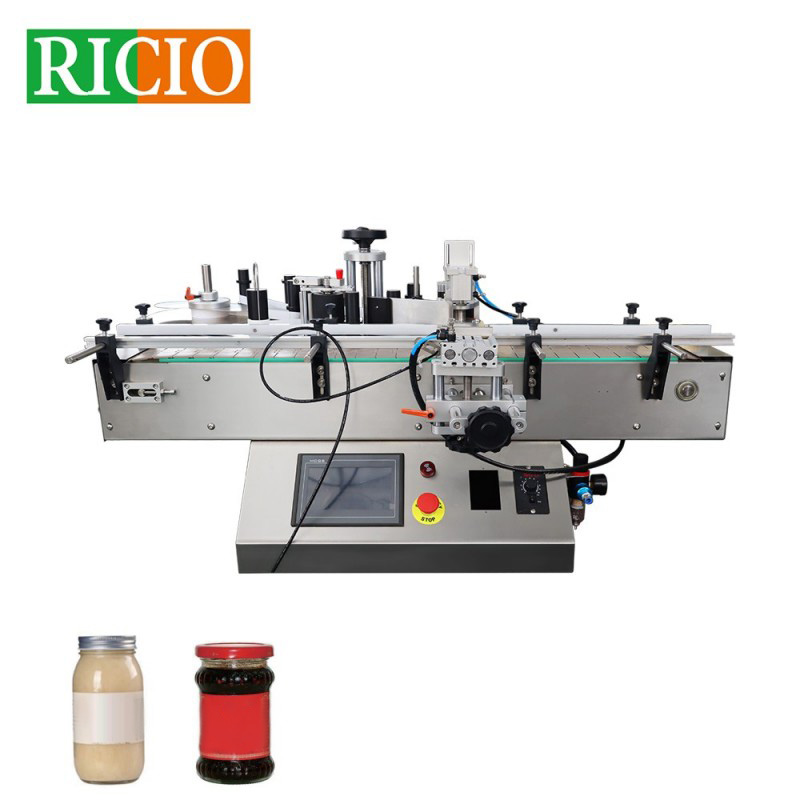
Automatic Round Bottle Positioning Tabletop Labeling Machine
Applications Across Multiple Industries
Food and Seasoning Products
Food manufacturers use round bottles and jars for sauces, oils, dressings, condiments, preserves, spices, and specialty foods. These products often require attractive labels that remain straight and smooth despite frequent handling and storage.
The machine can help food producers achieve consistent front, back, or full-wrap labeling. Its compact design is suitable for small-batch food processors as well as growing companies that are upgrading from manual application. When label placement is consistent, important ingredients, nutritional information, and branding elements are easier for customers to read.
Beverage Packaging
Round beverage containers may include glass bottles, plastic bottles, cans, and other cylindrical packages. Depending on the container and label construction, the machine can apply partial-wrap or full-wrap labels. Stable product handling is especially important for lightweight bottles that may move or deform during application.
For beverage producers, a reliable labeler can help improve line appearance and reduce downtime caused by manual placement. The system may be installed after filling and capping or used as a separate station for pre-labeled packaging operations.
Pharmaceutical and Healthcare Products
Pharmaceutical bottles and healthcare containers require clear and consistent labeling because product identification, dosage information, batch data, and expiration dates must remain legible. A positioning system can help maintain a controlled relationship between the label and the container.
In pharmaceutical applications, the final machine configuration must be selected according to the product, label material, line speed, cleaning requirements, and applicable quality procedures. The equipment may also be combined with coding and inspection systems to support traceability.
Cosmetics and Daily Chemical Products
Cosmetic bottles, jars, personal care products, detergents, and household chemical containers often place strong emphasis on visual presentation. A tilted or wrinkled label can negatively affect the perceived quality of the product, even when the contents are satisfactory.
The automatic labeling system supports a clean and repeatable appearance across production batches. It can handle many common round containers used for lotions, creams, cleansers, shampoos, essential oils, and other daily chemical products.
Chemical and Lubricant Packaging
Industrial chemicals, lubricants, oils, and maintenance products are frequently packed in bottles, cans, and cylindrical containers. These labels may need to withstand exposure to oil, moisture, chemicals, or temperature changes. Machine performance depends partly on the quality and adhesive properties of the selected labels.
The labeling machine provides a controlled method for applying these labels and can be configured for containers with different diameters and heights. For heavier or more rigid products, the conveyor and support components can be selected to provide stable movement through the labeling area.
Why Positioning Technology Matters for Round Containers
Round containers are often considered simple to label, but their curved surfaces create several technical challenges. A label that is applied too quickly, at the wrong angle, or with insufficient pressure may wrinkle or form bubbles. If the container is not stable, the label may begin in the wrong location or overlap unevenly.
Positioning technology addresses these issues by controlling the movement and orientation of the product. The bottle is guided into a repeatable path, separated from adjacent containers, and held in a stable condition while the label is dispensed. For applications requiring a specific front position, the positioning system can be configured according to the container’s physical features or product requirements.
This is a major advantage over simple manual labeling tools and basic semi-automatic applicators. Those systems may reduce labor but still depend heavily on the operator to position the product correctly. An automatic positioning machine transfers more of the repeatability responsibility to the equipment.
Accurate positioning is also helpful when a coding system or inspection camera is installed. If every bottle enters the coding and inspection points in a predictable orientation, the downstream equipment can work more reliably.
Manufacturing Strengths and Engineering Capability
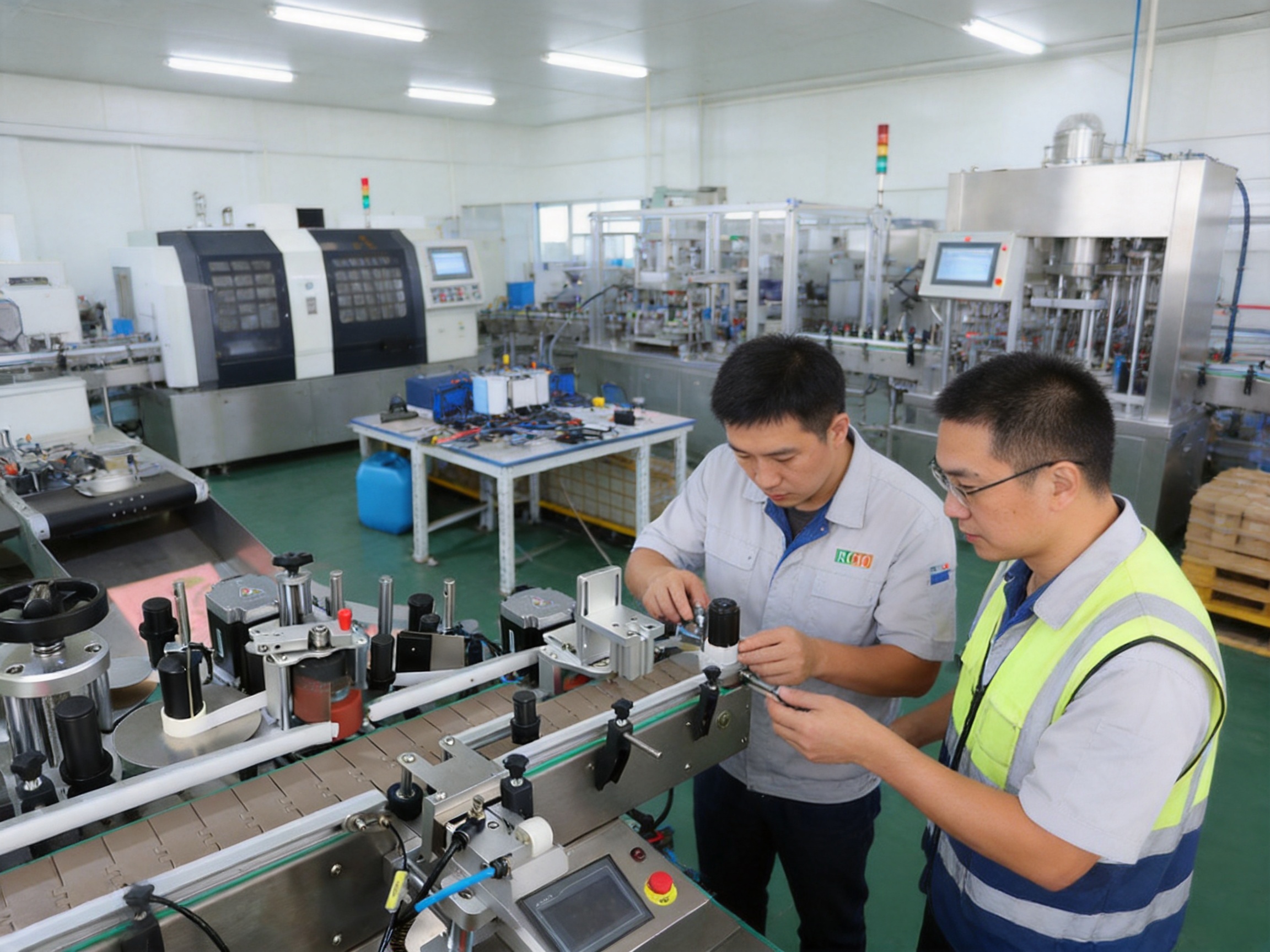
The manufacturer behind the machine specializes in the research, development, and production of labeling machinery. Its operations are based in Shanghai and include in-house precision machining and complete machine assembly capabilities. This structure is important because labeling equipment depends on accurate mechanical relationships between conveyors, rollers, sensors, label dispensers, and product guides.
The company developed from the acquisition of an established machinery parts factory into a source manufacturer with broader equipment design and production capabilities. Rather than relying exclusively on external assembly, it manages important stages of the process internally. This can improve control over component dimensions, machine fit, commissioning, and after-sales technical support.
Multiple CNC machining centers support the production of precision mechanical components. CNC machining helps maintain consistent dimensions and repeatable tolerances for parts such as brackets, shafts, rollers, mounting plates, guide components, and other elements used in labeling systems. Accurate components contribute to smoother movement, easier adjustment, and more stable machine operation.
In-house machining also allows engineering teams to respond more efficiently to customization requests. A customer may require a different bottle guide, special conveyor width, modified label head, customized positioning mechanism, or an alternative frame arrangement. When the manufacturer has its own machining and technical resources, such changes can be evaluated and produced with greater coordination.
Integrated Production From Components to Complete Equipment
The manufacturing process covers core component machining, equipment assembly, electrical integration, testing, and commissioning. This integrated workflow helps reduce communication gaps between separate suppliers and makes it easier to identify the cause of technical issues during production.
Mechanical components must work together with sensors, motors, controllers, and operator interfaces. A labeling machine is not simply a collection of individual parts; it is a coordinated system in which timing and alignment are essential. Integrated production allows the manufacturer to assess the machine as a complete operating unit rather than evaluating each component in isolation.
Quality System and Commissioning
The company operates in accordance with an ISO 9001 international quality system. A structured quality system supports documented processes, inspection procedures, controlled production activities, and continual improvement. For buyers, this provides a more organized basis for evaluating manufacturing consistency and supplier reliability.
Before shipment, labeling equipment should be assembled and commissioned so that the mechanical and electrical systems operate together. Testing may include conveyor movement, sensor response, label dispensing, product positioning, emergency stop functions, touchscreen controls, and sample labeling. The objective is to confirm that the machine is prepared for the intended product and label format.
Because labeling performance depends heavily on the actual product and label, sample testing is particularly valuable. Bottles with different surface finishes, label adhesives, and dimensions may behave differently. Factory trials allow technical staff to identify adjustment requirements before installation at the customer’s site.
Experience Serving International Markets
The manufacturer exports labeling equipment to more than 40 countries and regions. International experience can support better understanding of different power supplies, packaging standards, production expectations, and equipment integration requirements.
The machine can be considered for electrical configurations such as 220 V, 110 V, or industrial three-phase supplies, depending on the customer’s location and project requirements. Export-oriented manufacturing also requires attention to packaging, documentation, installation guidance, and communication with customers in different markets.
Advantages Compared With Competing Equipment Categories
Compared With Manual Labeling
Manual labeling may be affordable at very low production volumes, but it often produces inconsistent results and depends on continuous labor. Productivity can vary according to operator experience, fatigue, and product complexity. Manual work also makes it more difficult to maintain consistent spacing and label orientation across a large batch.
The automatic tabletop machine provides greater repeatability, higher potential throughput, and a more professional appearance. It also frees operators to perform material preparation, inspection, packing, or other tasks. For a growing business, the machine can provide a clear path from labor-intensive production toward structured automation.
Compared With Basic Semi-Automatic Labelers
A semi-automatic labeler may require an operator to place each bottle into a fixture or trigger the labeling cycle manually. These systems can be useful for limited production, but the operator remains responsible for much of the product positioning.
An automatic positioning tabletop labeler moves products through the process, separates them, detects their presence, and applies labels with less manual intervention. This improves workflow continuity and can produce a higher output when the machine is supplied consistently.
Compared With Large Floor-Standing Labeling Lines
Large floor-standing systems may provide very high speed, but they also require more space, higher investment, and greater integration complexity. They may be excessive for companies producing several hundred or several thousand containers per shift rather than continuously operating at high industrial volume.
The tabletop machine offers a balance between automation and practicality. It provides automatic positioning and labeling in a smaller package, making it easier to install in facilities with limited space. It can also serve as a modular starting point before a company invests in a larger complete line.
Compared With Single-Function Round Bottle Labelers
Some round bottle labelers are designed for a narrow range of container sizes or a single labeling style. Their limited adjustment range can create difficulties when a manufacturer introduces new products.
The positioning tabletop machine is designed around flexibility. It supports a broad diameter and height range, adjustable conveyor width, full-wrap and partial-wrap applications, and optional coding integration. Custom engineering can further extend its compatibility for specialized projects.
Integration Into a Complete Packaging Line
The machine can operate independently when products are manually supplied. This is useful for small batches, pilot production, contract packaging, and businesses that are gradually introducing automation. In standalone operation, an operator can load bottles onto the conveyor and collect labeled products at the discharge end.
For higher production requirements, the labeler can be connected with upstream and downstream equipment. A bottle unscrambler can organize containers before they reach the labeling machine. A filling machine can supply accurately filled products, while a capping machine can close the containers before labeling. A coding unit can print variable information, and a case packer can prepare finished products for shipment.
Palletizing equipment can be added at the end of the line for larger operations. When these machines are coordinated through suitable sensors and controls, the labeling station becomes part of a continuous automated process rather than an isolated operation.
Integration planning should consider line speed, product spacing, conveyor height, bottle stability, communication signals, and changeover requirements. The labeling machine must receive products at a suitable interval and should not be forced to operate beyond the speed that the product and label can reliably support.
Label and Product Considerations
Machine performance is influenced by more than mechanical design. The product surface, label material, adhesive, liner, label dimensions, and roll construction all affect application quality. Smooth glass, textured plastic, flexible film, and coated metal may require different settings.
Labels should be wound correctly and supplied on a roll with suitable inner and outer diameters. The standard equipment accepts a roll with a minimum inner diameter of approximately 76 mm and a maximum outer diameter of approximately 300 mm. Label length is generally within 15 to 300 mm, while label height is approximately 10 to 150 mm.
Very flexible bottles may require additional support during labeling because they can deform under pressure. Tapered containers may also need customized rollers or guides to maintain proper label contact. Highly transparent labels can create sensor challenges and may require suitable label detection technology.
Before purchasing, customers should provide representative bottles and labels for testing whenever possible. Test samples help confirm label adhesion, positioning, speed, and the suitability of the standard machine configuration. They also allow engineers to determine whether additional guides, rollers, or positioning devices are needed.
Installation, Operation, and Maintenance
Installation begins with placing the machine on a stable, level surface and connecting the appropriate power supply. The conveyor, label roll, sensors, product guides, and optional coding equipment must be set according to the product format. Operators should receive training on threading the label web, adjusting guides, selecting parameters, and responding to alarms.
Routine cleaning is important, particularly in food, pharmaceutical, cosmetic, and chemical applications. Adhesive residue can accumulate around the dispensing edge, rollers, and guides. If not removed, this residue may affect label movement or attract dust. Cleaning procedures should follow the machine supplier’s recommendations and the hygiene requirements of the application.
Wear components such as rollers, belts, bearings, and sensor surfaces should be inspected periodically. The exact maintenance interval depends on working hours, product conditions, label adhesive, and production environment. Preventive maintenance can help identify small problems before they cause unexpected downtime.
Operators should also monitor label roll alignment and web tension. A poorly mounted roll can cause tracking problems, label drift, or uneven dispensing. Proper setup is essential for achieving the stated accuracy range.
How to Evaluate the Machine Before Purchase
Buyers should begin by documenting the complete range of products that the machine must handle. Important information includes bottle diameter, bottle height, material, weight, surface shape, cap design, and any features that require front or seam positioning.
The label specification should also be recorded. This includes label length, height, adhesive type, material, liner, roll direction, roll dimensions, and the required label position. If several products will be processed, each format should be reviewed separately.
Production requirements should include the desired bottles per minute, working hours per day, batch sizes, changeover frequency, and operator feeding method. A machine that is technically capable of high speed may not achieve that speed if the operator cannot supply bottles consistently or if the labels require slow application.
Customers should also determine whether coding, printing, inspection, rejection, or data communication will be required. Planning these functions early helps prevent expensive modifications after installation.
Finally, buyers should evaluate the manufacturer’s engineering capability, machining resources, quality procedures, testing process, technical support, and experience with similar applications. A labeling machine is a production asset, so supplier reliability is as important as the initial equipment price.
Frequently Asked Questions
What products can this tabletop labeling machine handle?
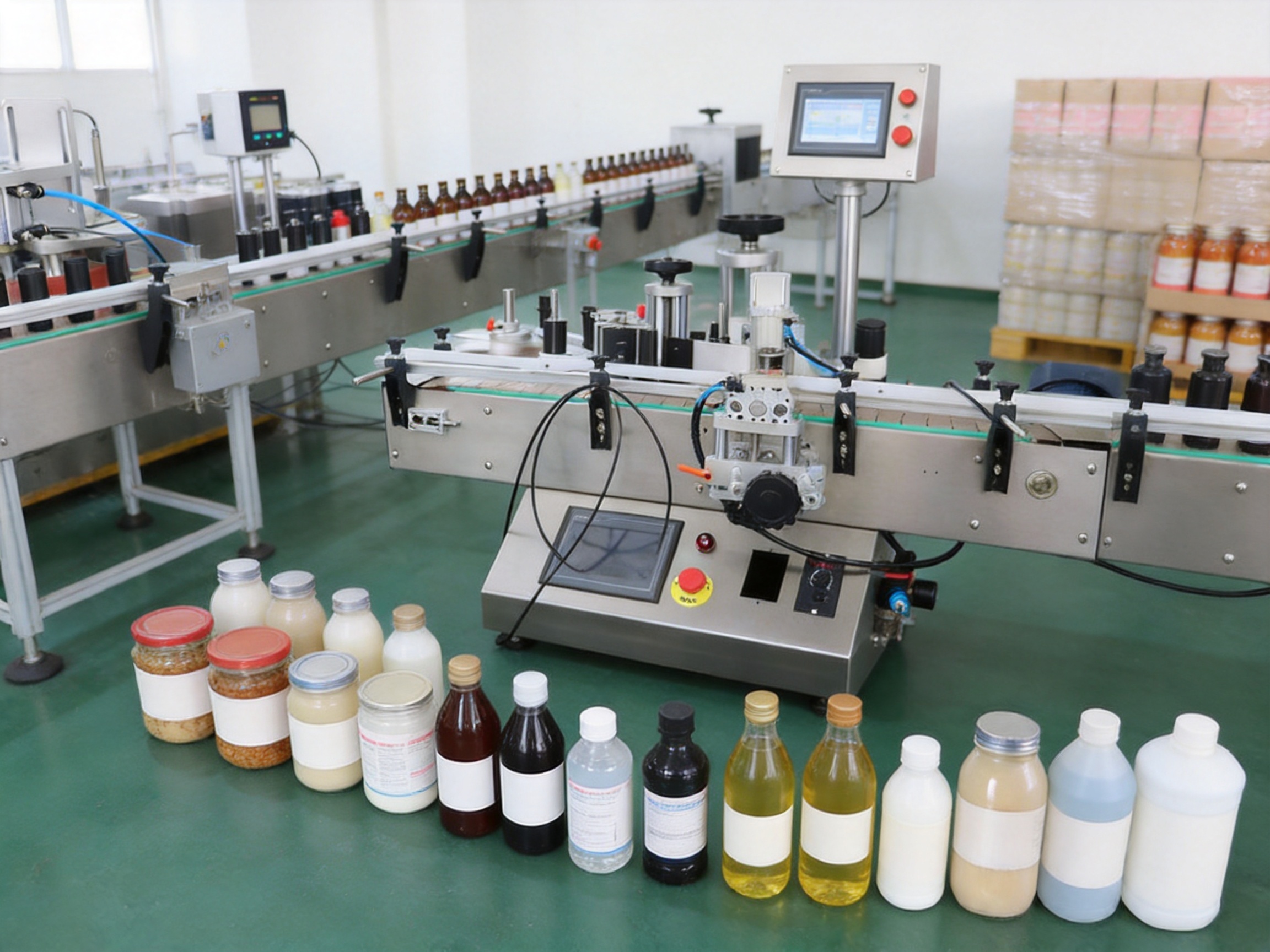
The machine is intended for round bottles, jars, cans, and other cylindrical containers. Typical applications include medicine bottles, cosmetic containers, sauce bottles, oil bottles, food jars, chemical bottles, beverage containers, and lubricant packaging.
Can it apply labels to both the front and back of a bottle?
The standard product is designed primarily for cylindrical labeling, including full-wrap and partial-wrap applications. Specific front-and-back or multi-label requirements should be reviewed with the manufacturer because they may require additional labeling heads or a customized configuration.
What labeling speed can be expected?
The standard specification is approximately 30 to 100 bottles per minute. Actual output depends on bottle size, label size, product stability, label material, positioning requirements, and the method used to feed products. Some descriptions may cite a broader operating range beginning around 20 bottles per minute for more demanding products.
How accurate is the label placement?
The typical stated accuracy is approximately ±1 mm. This figure depends on product roundness, surface condition, flexibility, label quality, adhesive behavior, and correct machine adjustment. Sample testing is recommended for applications with strict positioning requirements.
Can the machine label bottles with different diameters?
Yes. The standard bottle diameter range is approximately 25 to 120 mm, and the conveyor width and guides can be adjusted to suit different products. Customized solutions may be considered for containers outside this range.
Can the machine be used for short production runs?
Yes. Its tabletop format and adjustable operating parameters make it suitable for small and medium production batches. It can be used as a standalone unit, which is helpful when a company does not yet require a fully integrated packaging line.
Can a printer or coder be installed with the labeler?
Yes. A ribbon coding machine or inkjet printer can be integrated to print dates, batch numbers, expiration dates, and other variable information. The best coding method depends on the package surface, label material, ink or ribbon requirements, and production conditions.
Does the machine require an automatic bottle unscrambler?
No. The machine can operate with manual bottle feeding. For higher-volume production, it can be connected to a bottle unscrambler or another upstream conveyor system to provide a more continuous supply of products.
What power supply is required?
The standard power supply is AC 220 V at 50/60 Hz. Alternative configurations, including 110 V or industrial 380 V three-phase power, can be considered according to project requirements and local electrical standards.
How much floor space does the machine require?
The listed packaging dimensions are approximately 1.20 m by 0.85 m by 0.85 m. The actual installation area should be larger to allow access for operation, label roll replacement, cleaning, inspection, and maintenance.
Can the machine be customized?
Yes. Customization may include bottle diameter and height ranges, conveyor width, labeling mechanisms, product positioning components, label dimensions, coding integration, and line connections. The final solution should be based on actual samples and technical drawings.
What should be tested before shipment?
Testing should include product conveying, bottle separation, sensor detection, positioning, label dispensing, application quality, speed, control functions, and optional coding performance. Using the customer’s actual bottles and labels provides the most meaningful evaluation.
Conclusion
The automatic round bottle positioning tabletop labeling machine offers a practical combination of precision, flexibility, and compact automation. It is designed for manufacturers that need more consistency and productivity than manual labeling can provide but may not require a large, high-speed industrial line.
Its ability to process a broad range of cylindrical containers, support full-wrap and partial-wrap labels, adjust to different bottle sizes, and integrate optional coding equipment makes it suitable for food, beverage, pharmaceutical, cosmetic, daily chemical, chemical, seasoning, and lubricant applications.
The machine’s main competitive advantages are its automatic product handling, controlled positioning, approximately ±1 mm labeling accuracy, speed range of approximately 30 to 100 bottles per minute, adjustable conveyor, compact footprint, touchscreen operation, and potential for customization. These features help reduce label defects, improve package presentation, and support a more efficient production workflow.
The manufacturer’s strengths extend beyond the machine’s visible functions. In-house CNC machining, experienced technical personnel, integrated assembly and commissioning, ISO 9001-based processes, and international export experience provide a strong foundation for reliable equipment production. The ability to develop customized components and integrate the labeler into a complete filling and packaging line further increases its value for growing businesses.
For the best result, each project should be evaluated using actual bottles, labels, production targets, and line requirements. When correctly configured and maintained, this tabletop labeling machine can become a dependable part of a modern packaging operation, helping manufacturers achieve consistent labeling quality while controlling space, labor, and investment requirements.
References
1. Product technical specification sheet for the automatic round bottle positioning tabletop labeling machine.
2. Packaging machinery engineering principles for cylindrical container labeling and product positioning.
3. Quality management system guidance based on ISO 9001 principles.
4. General practices for self-adhesive label application, label roll handling, and packaging line integration.
5. Industrial automation guidelines for conveyor systems, sensors, coding equipment, and packaging machinery commissioning.
Product: Automatic Round Bottle Positioning Tabletop Labeling Machine

related products
-
Automatic Round Bottle Positioning Tabletop Labeling Machine
-
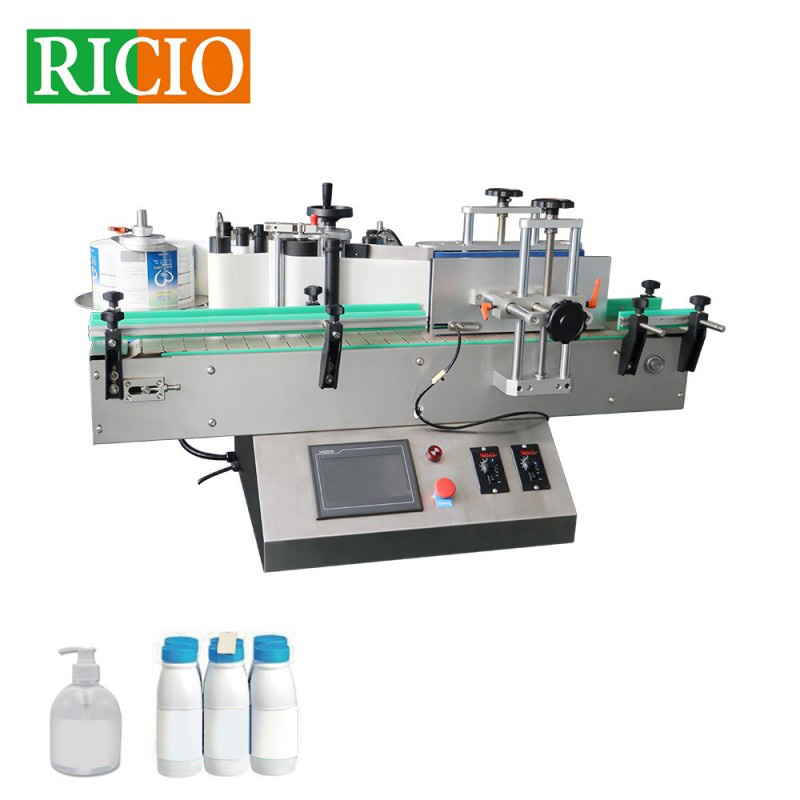
Automatic Round Bottle Tabletop Labeling Machine
-
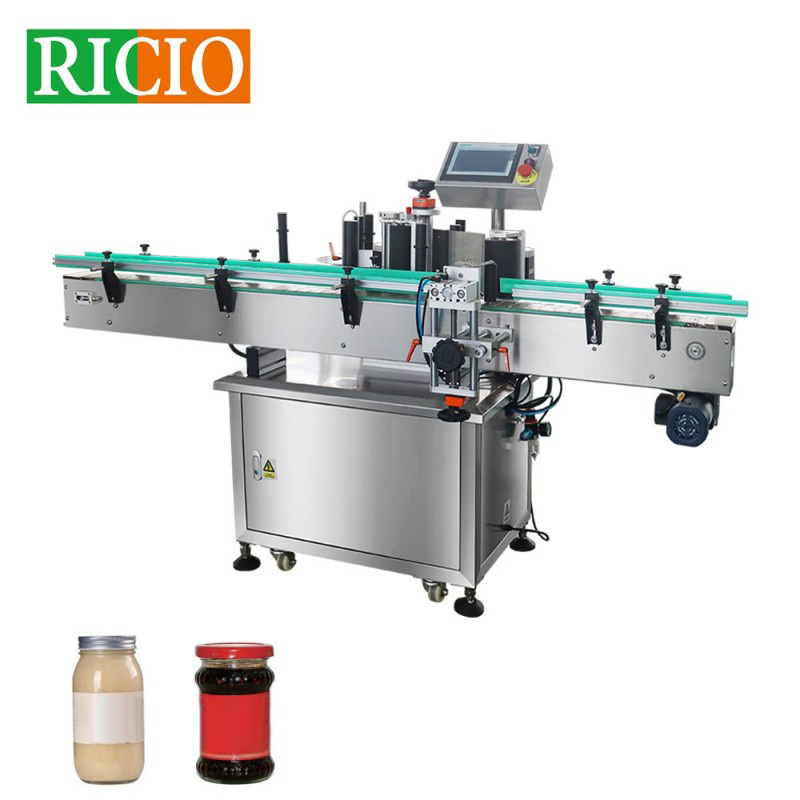
Automatic Round Bottle Positioning Labeling Machine
-
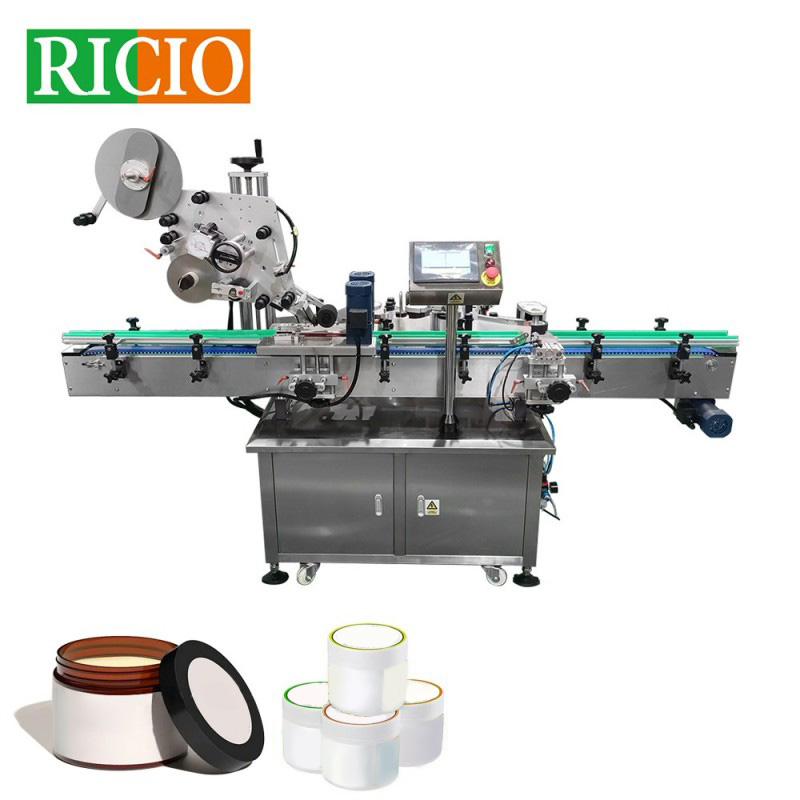
Automatic Round Bottle Side and Top Labeling Machine
-
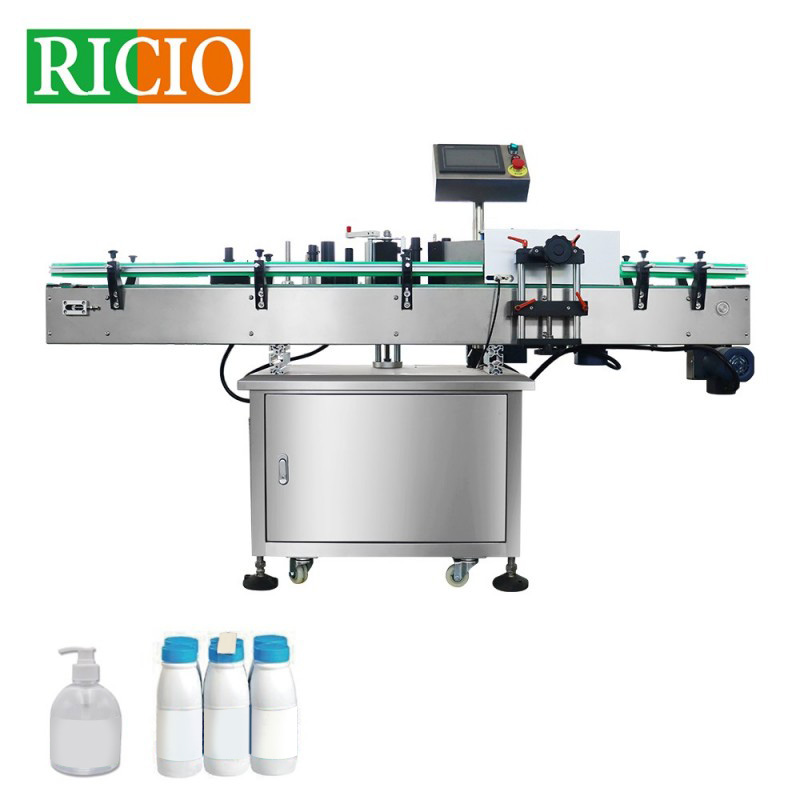
Automatic Round Bottle Labeling Machine
-
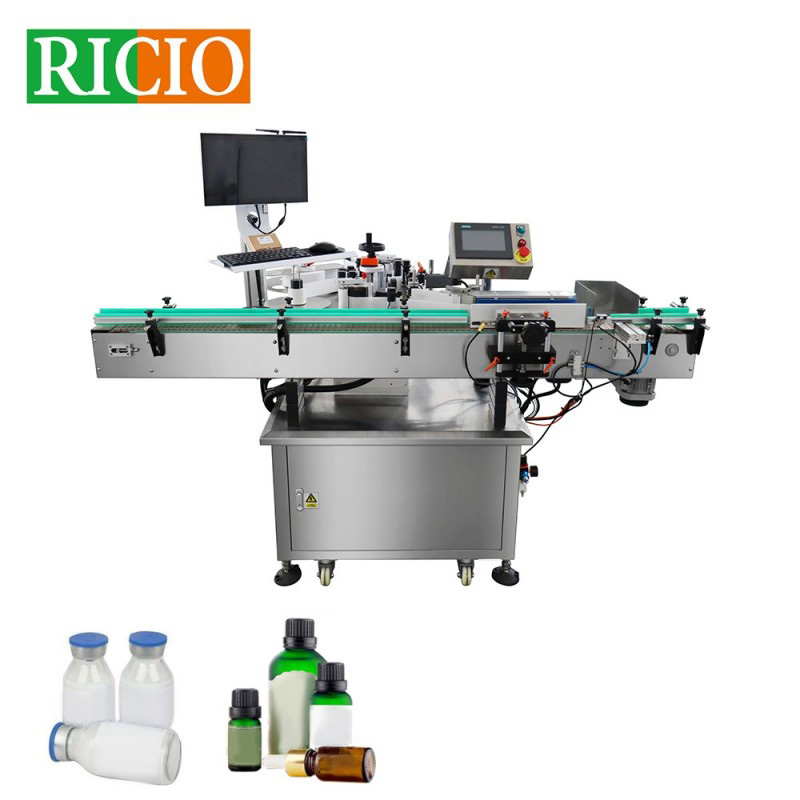
Automatic High Speed Vertical Round Bottle Labeling Machine
related News
 +86 13681850339
 sales@raxpack.com
 Building 6, No. 477 Tiefeng Road, Baoshan District, Shanghai, China
- Tabletop Labeling Machine
- Round Bottle Labeling Machine
- Automatic Tube Labeling Machine
- Pouch Labeling Machine
- Rotary Labeling Machine
- Syringe Labeling Machine
- Top Labeling Machine
- Single Side Sticker Labeling Machine
- Double Side Labeling Machine
- Bucket Labeling Machine
- Bottom Labeling Machine
- Corner Label Applicator
- Waist Sealing Labeling Machine
- Square Bottle Labeling Machine
